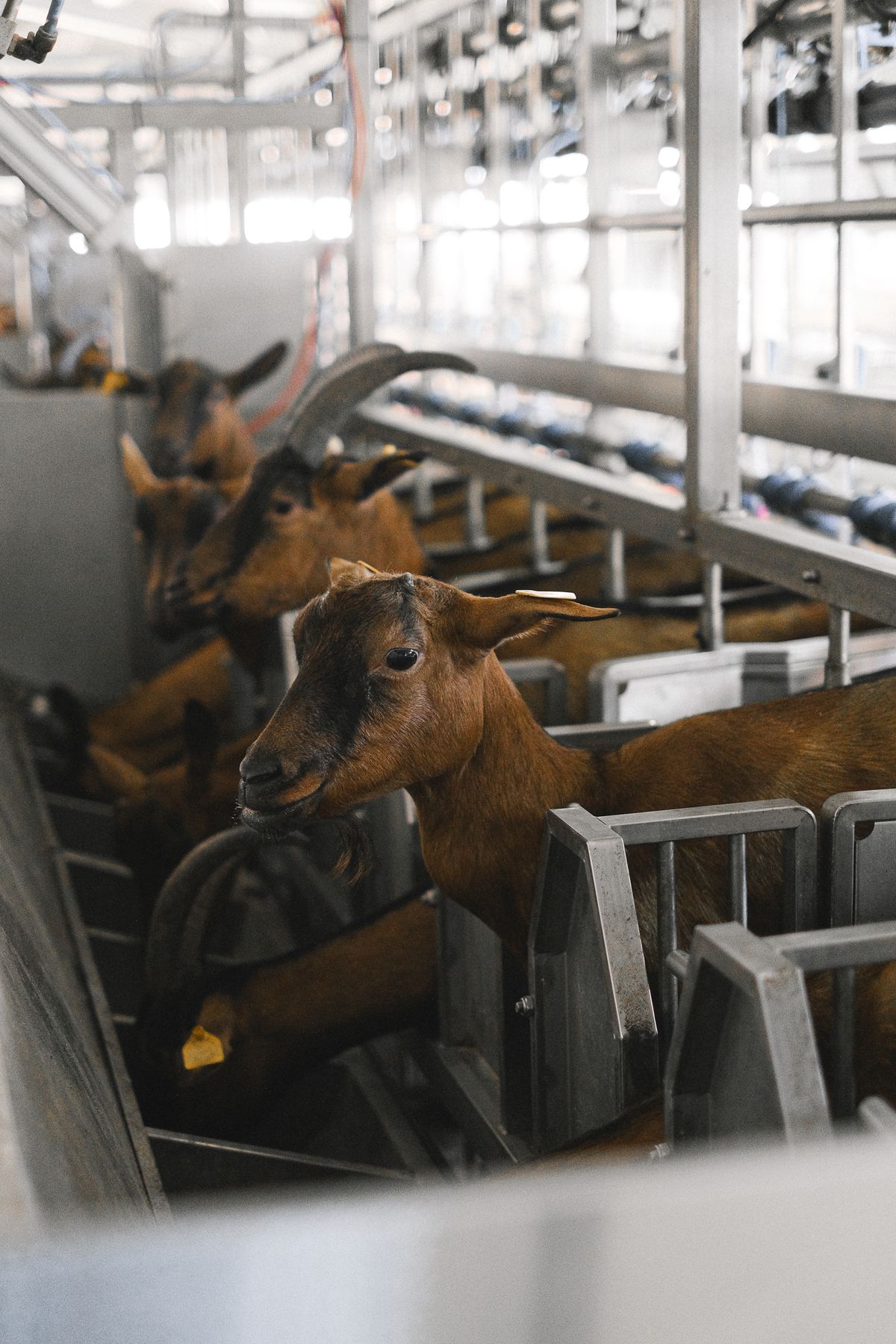
You already know the response you'll get before you've finished the sentence. You mention that your goat died, or your favorite hen, or the pig who slept at the foot of your bed for nine years, and you watch a stranger's face do the math: it was a farm animal, wasn't it kind of expected? But you didn't lose livestock. You lost Biscuit, who headbutted the screen door every morning at seven, or Dot, who followed you around the yard like a dog and hated everyone else. This grief is not smaller because the species is unconventional. It is simply less understood, and that makes it harder to carry.
Why This Grief Gets Dismissed
Most people's mental category for "farm animal" comes from agriculture, not companionship, so when you describe a goat as a pet, they quietly file it under confusion rather than love. This is a form of disenfranchised grief — loss that isn't socially recognized or supported — and it's compounded here by species bias. A dog's death gets casseroles. A pig's death, even one who had a name, a personality, and a spot on the couch, often gets a shrug, or worse, a joke about bacon. That reaction says nothing about the realness of your bond. It says something about other people's limited imagination.
The truth is that goats, pigs, and chickens are recognized by animal behaviorists as intelligent, social, emotionally complex animals capable of forming real attachments to humans and to each other. Pigs are frequently compared to dogs in cognitive studies. Chickens recognize over a hundred individual faces. If an animal can bond, you can grieve them — species doesn't set the terms of love.
What Makes This Loss Distinct
The vocabulary problem
There often isn't a comfortable script for this kind of loss. "I lost my dog" needs no explanation. "I lost my chicken" tends to invite a beat of silence, or a well-meaning but painful "oh, are you getting more?" as though she were inventory. You may find yourself rehearsing how to say it, or avoiding saying it at all, which only isolates you further at a time you need support most.
The veterinary care gap
Backyard and farm-companion animals often have fewer accessible veterinary options, especially for large animals like goats or pigs, and for exotic-adjacent care like poultry medicine. Many owners have faced the added grief of not being able to find a vet who would even see their animal, or having to make end-of-life decisions with far less clinical guidance than a dog or cat owner would receive. That gap can leave you second-guessing choices you made with incomplete information, through no fault of your own.
Some owners also face a harder practical reality: at-home euthanasia and cremation services are less common for these species, and burial regulations vary widely depending on animal size and local zoning. Practical logistics arriving during acute grief add a layer of stress that dog and cat owners rarely encounter in the same way.
“A bond doesn't check anyone's assumptions about which animals are allowed to be loved.”
Honoring a Bond the World Didn't Expect
You don't need anyone's permission to grieve fully, but it can help to build your own private recognition of the relationship, since public recognition may be slow to come. Consider what actually made the bond real to you, and let that shape how you remember them.
- Name the specific things you'll miss. The way they ran to the fence at the sound of your car, the particular sound they made when they wanted attention — specificity honors an individual, not a species stereotype.
- Tell the story to someone who will actually listen. Seek out other backyard-animal or homestead communities online; they understand this grief without explanation.
- Create a memorial that fits the animal, not a template. A stone in the coop yard, a tree planted where they used to graze, a photo by the barn door — let the tribute match the actual life.
- Give yourself the same timeline you'd give any other loss. There is no reduced grieving period because the animal had feathers or hooves instead of fur and four paws in the "usual" configuration.
If Other Animals Are Grieving Too
Herd and flock animals notice absence. A remaining goat may call more, pace the fence line, or go off their feed for a few days after a companion's death; chickens often show a visible disruption in the pecking order and routine. This isn't projection on your part — it's documented behavior in social species. Giving your remaining animals extra time, calm consistency, and closer observation for the following weeks isn't sentimental, it's good care, and it may also give you something steady to focus your own grief around.
Whatever this animal was to you — barnyard companion, emotional support presence, the calm creature you talked to on hard days — that relationship was real, and so is what you're feeling now. You don't need the world's agricultural categories to validate a bond you already know was genuine.
Something that may help
Tool: The Memory Journal
Our free guided journal makes space for any companion animal, regardless of species — a place to record the specific moments, habits, and personality that made your bond real, without needing anyone else's validation first.
→ Start the Memory JournalFree to use, no signup required.