
Your surviving pet is pacing the hallway at 2 a.m. Or refusing food. Or sitting by the door where their companion used to wait. And you notice all of this while you're barely keeping yourself upright — grieving the same loss, with the same tired heart, and now being asked, silently, to also parent an animal through sorrow you don't have much spare capacity for. This article will help you recognize genuine grief in a surviving pet, respond to it with realistic, low-effort strategies, and give yourself permission to do less than perfectly while you're mourning too.
Yes, Surviving Pets Really Do Grieve
This isn't projection or wishful anthropomorphizing. Surveys of pet owners — including a well-known one conducted by the ASPCA — find that a majority of surviving dogs and cats show behavioral changes after a companion animal's death: appetite loss, increased vocalization, searching behavior, lethargy, or clinginess. Some of this is genuine attachment grief. Some of it is picking up on your own grief, and your household's disrupted routines, and reacting to that instability rather than absence itself. Realistically, it's almost always both at once.
Knowing this doesn't obligate you to fix it immediately or perfectly. It just means the behavior you're seeing isn't your imagination, and it isn't something your surviving pet is doing "at" you.
What Grief Looks Like in Dogs and Cats
The signs vary by animal and by the nature of the bond, but common patterns include:
- Searching. Checking the deceased pet's usual spots — a bed, a window perch, a corner of the yard — repeatedly, especially in the first weeks.
- Appetite changes. Eating less, eating more slowly, or occasionally eating more out of stress.
- Vocal changes. Cats may meow more; dogs may whine or bark at unfamiliar times, particularly around the hour their companion used to be fed or walked.
- Clinginess or withdrawal. Some pets follow you constantly; others retreat and want less contact than usual.
- Sleep and energy shifts. Sleeping more, sleeping less, or restlessness at night.
Most of these changes resolve within two to six weeks. If they persist much longer, or if your pet stops eating entirely for more than a day or two, a veterinary check is worth doing — both to rule out a medical cause and because prolonged appetite loss in cats especially can become a medical emergency on its own.
Low-Energy Ways to Help Them, While You're Also Grieving
You do not need to run a grief-recovery program for your pet on top of your own mourning. Small, sustainable adjustments do most of the work.
Keep the skeleton of the routine, even loosely
Pets orient heavily around timing — feeding, walks, bedtime. You don't need to maintain every detail perfectly, but keeping the rough shape of the day (meals at roughly the same times, a walk even if it's shorter than usual) gives a surviving pet something stable to hold onto while everything else in the house feels different.
Let physical presence do the work words can't
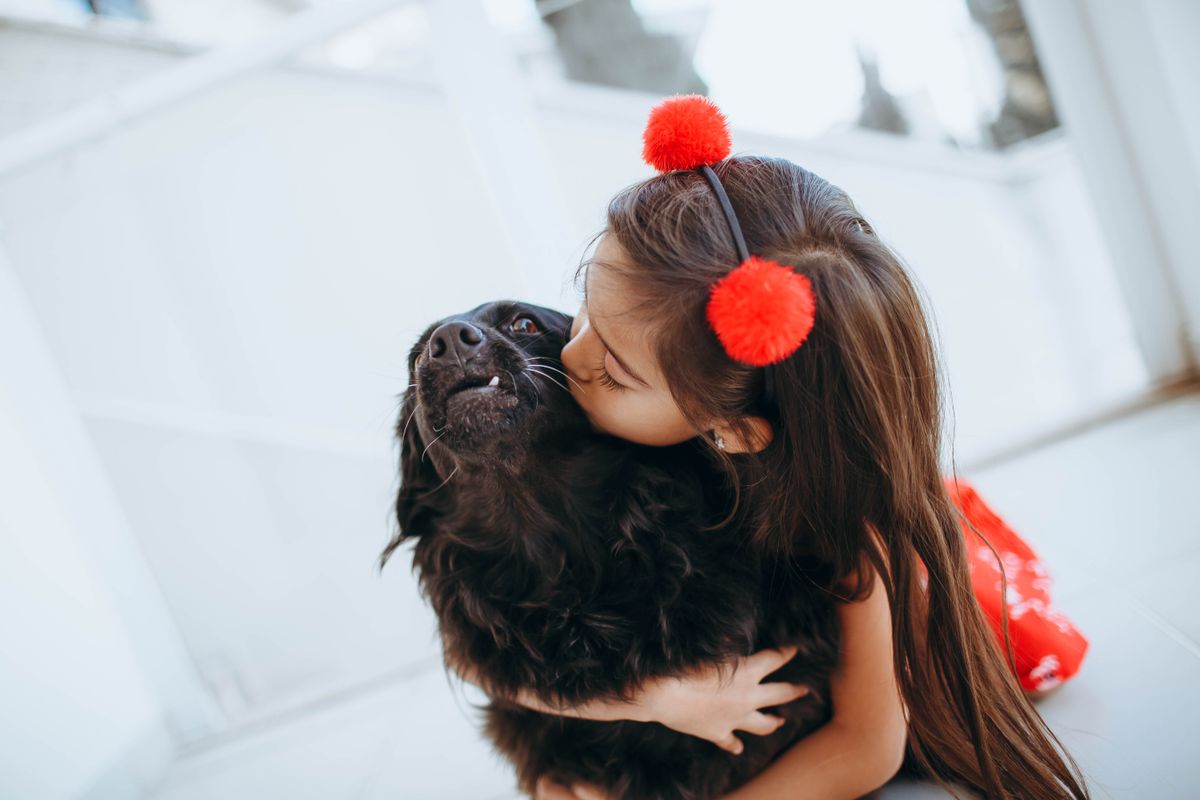
You don't have to engage in elaborate play or stimulation you don't have energy for. Sitting near your pet, letting them lean against you, or simply being in the same room while you rest counts as real comfort. Grieving animals, like grieving people, often need presence more than activity.
“You don't have to grieve well to grieve together. Two tired, sad creatures sitting quietly in the same room is its own form of care.”
What You Don't Need to Do
It's easy, in a haze of guilt and exhaustion, to feel like you should be doing more — enrichment toys, new routines, constant reassurance. Give yourself permission to skip most of this. A few things genuinely aren't necessary:
- You don't need to let your surviving pet "see the body" or witness a burial to help them understand — there's no strong evidence this changes their grief process one way or the other, and it's fine to skip if it's too much for you.
- You don't need to rush out and get a new companion animal to "fix" the loneliness. Pets can adjust to being an only pet, and a rushed introduction often creates more stress, not less.
- You don't need to hide your own grief from them. Pets are attuned to household tension either way, and your calm, honest sadness is easier for them to be around than forced normalcy.
When to Ask for Extra Help
If you're stretched thin enough that even minimal care feels impossible some days, that's worth naming to whoever else is in your household, or to a friend who can take the dog for a walk twice a week while you recover. Asking for help with your surviving pet is not a failure of love for either animal — it's what makes it possible for both of you to get through this without either being neglected.
Something that may help
Tool: The 30-Day Grief Companion
A daily email series with small, doable prompts for the weeks after a loss — including gentle reminders for caring for surviving pets without adding to your load.
→ Sign up for the 30-Day CompanionFree to use, no signup required.