
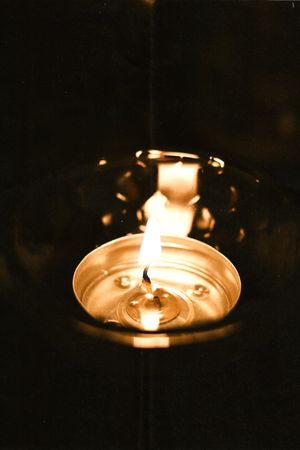
There's a particular kind of clarity that comes with choosing a place — the trail they always pulled you toward, the lake they refused to leave, the yard where they buried every toy they owned. Scattering ashes turns a static container into an act, and for many grieving pet parents that act matters more than any urn on a shelf. But because pet remains fall into a strange legal gray zone in most places — regulated loosely, if at all, and differently depending on where you are — it helps to know what's actually allowed before you go stand at the edge of that trail with a bag in your hands.
The Legal Landscape, Honestly
Unlike human cremated remains, which are governed by fairly specific state and federal rules, pet ashes are inert and are not classified as hazardous or biological waste in most jurisdictions. That means the legal picture is much looser — but "looser" doesn't mean "unregulated everywhere," and it's worth checking your specific situation rather than assuming.
Private property
Scattering on your own land is almost always permitted without a permit. Scattering on someone else's private property, even a beloved family member's backyard, technically requires their permission, even if you're confident they'd say yes. Ask anyway — it protects the relationship and respects that it's their land, not just a backdrop for your grief.
Public land: parks, beaches, and waterways
Many national parks and state parks allow scattering of pet ashes informally, since the ash itself poses no ecological harm, but a growing number have begun asking visitors to avoid high-traffic or ecologically sensitive areas, and some prohibit it outright near trails, campsites, or water sources. Local municipal parks vary even more widely. Coastal and lake scattering is generally treated the same as scattering on land unless you're doing it from a boat, in which case some regions apply the same guidance used for human ash scattering at sea — typically requiring you to be a set distance from shore.
The safest approach is a quick call or email to the specific park office or municipality before you go. Most people find these calls easier than expected; park rangers are usually not unfamiliar with the question.
How to Scatter Respectfully
Beyond the legal question, there's the practical and emotional one: how do you actually do this in a way that feels right, rather than awkward or upsetting?
- Choose calm weather. Wind can carry ash back toward you or onto other people nearby, which is jarring in a moment meant to be tender. Check conditions and pick a still day if you can.
- Consider timing and privacy. Early morning or a quiet weekday often means fewer strangers around, which matters if you want to speak aloud, cry without an audience, or simply take your time.
- Bring a small container, not the whole urn. Many families scatter only a portion and keep the rest, which lets you divide remains between a place, a keepsake, and other family members who want their own share.
- Say something, even briefly. A few spoken words, a favorite memory, or simple silence held on purpose all count as ritual. The act of pausing is what matters, not the specific words used.
“Scattering isn't about letting go of them. It's about choosing, on purpose, where a part of your story with them now lives.”
If You're Not Ready to Scatter It All
You don't have to scatter every bit of ash you have, and you don't have to do it right away. Many people keep a portion in an urn or small keepsake vial for years before scattering the rest, sometimes waiting for a specific anniversary or a return trip to a meaningful place. There's also no rule that says all the ash has to go to one location — splitting remains between a home garden, a favorite trail, and a small keepsake is common and requires no special justification.
When Family Members Don't Agree
It's common for one person to want the ashes scattered at the lake, another to want them kept, and a third to have a location neither of the others would have picked. This isn't usually a disagreement about the pet so much as each person needing a different kind of closure, and it rarely helps to treat it as a debate to be won. Dividing the ashes, as mentioned above, resolves more of these standoffs than people expect, since it lets each person honor the relationship in the way that feels true to them rather than compromising on a single site everyone half-wants. If dividing isn't possible or feels wrong for your family, give the disagreement time rather than forcing a decision under pressure; the ashes aren't going anywhere, and a choice made after everyone has had room to grieve tends to hold up better than one made to end an argument.
Something that may help
Tool: The PawsHush Aftercare Planner
A free step-by-step planner for deciding what to do with a pet's remains, including cremation, burial, and scattering options organized by what matters most to you.
→ Use the Aftercare PlannerFree to use, no signup required.