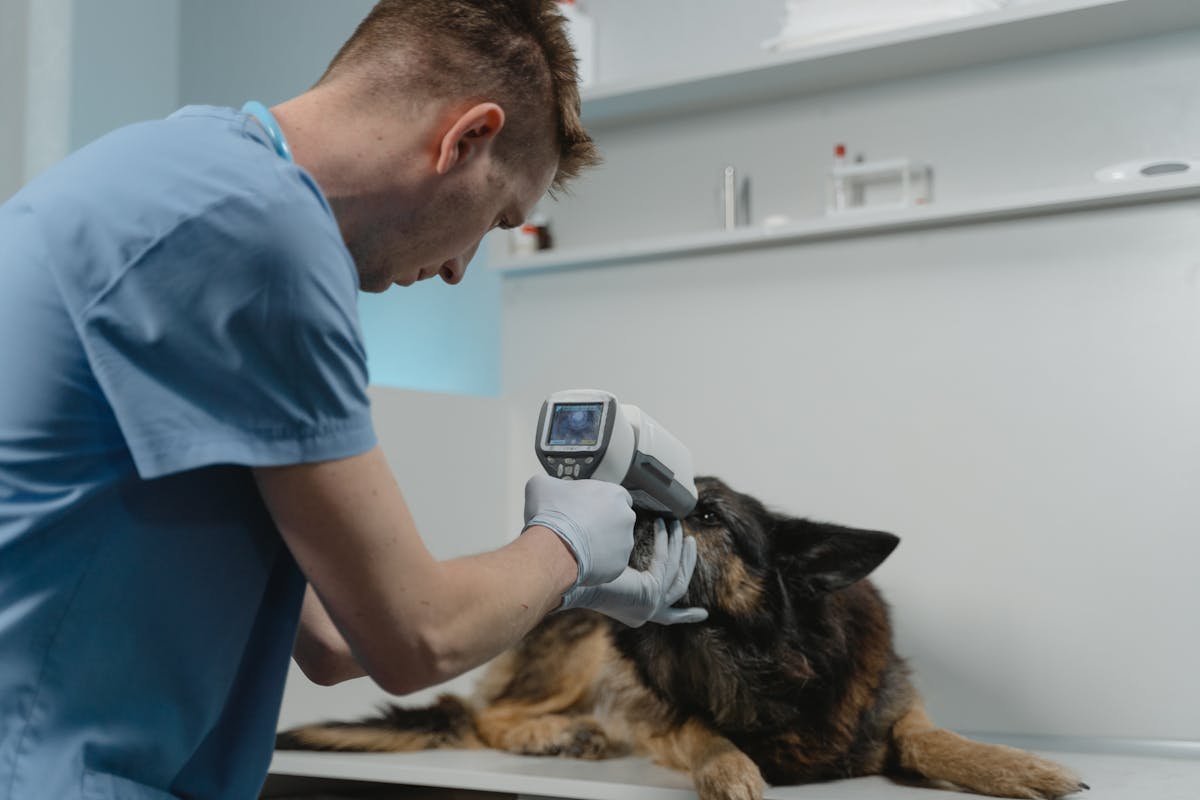
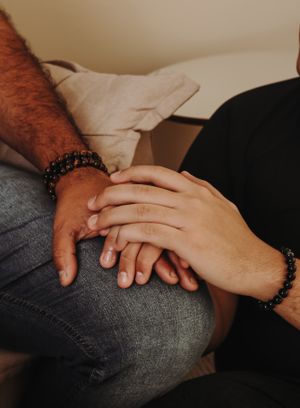
Most veterinary care ends the moment the patient does. That's not a moral failing so much as a structural gap: clinics are built, staffed, and scheduled around ongoing treatment, not around what a family needs in the days and weeks after a pet has died. But a small, growing number of practices have built something deliberate here — a genuine aftercare program, not just a sympathy card grabbed off a shelf. If you're a pet owner wondering what "good" actually looks like, or a clinic wondering where to start, this is the shape it tends to take.
What "Aftercare" Actually Means Here
In a veterinary context, aftercare covers two overlapping things: the logistical handling of a pet's remains, and the emotional support offered to the grieving family afterward. Many clinics do the first reasonably well out of necessity — someone has to coordinate with a crematory. Far fewer do the second with any real intention. A genuine aftercare program treats both as equally part of the job, not an optional extra layered on top of "real" medicine.
The Logistics Good Clinics Get Right
Clear choices, offered before they're needed
The best practices walk families through cremation and burial options well before end-of-life care becomes urgent, not in the fifteen minutes after a euthanasia appointment when nobody can think clearly. This might mean a simple handout during a hospice or senior wellness visit, or a calm conversation once a terminal diagnosis is made, giving families time to decide without pressure.
Reliable communication about remains
Families consistently report that uncertainty about when ashes will be returned is one of the most stressful parts of the entire process. Clinics that do this well give a specific, realistic timeframe, proactively update families if there's a delay, and handle the return of ashes with the same care as the appointment itself — not a box left at a front desk to be picked up between other customers.
The Emotional Support That Separates Good From Great
- A genuine follow-up contact. A phone call or handwritten note one to two weeks after the loss, checking in without any billing purpose attached, tends to be remembered by families for years.
- Staff-specific acknowledgment. Cards or messages that name the specific doctor and technician involved, rather than a generic "the team at [clinic]" signature.
- Grief resource referrals. A simple printed or emailed list of pet loss hotlines, local support groups, and grief counselors who understand this specific kind of loss.
- Options for the file, not just the family. Some clinics flag a deceased pet's file so that reception staff don't accidentally call to schedule a "routine" reminder appointment months later, a small detail that prevents a genuinely painful mistake.
“A good aftercare program isn't measured by how polished the sympathy card is. It's measured by whether a family ever gets a reminder postcard for a pet who's already gone.”
How Clinics Actually Build This
- Assign clear ownership of the aftercare process to a specific role or team member, rather than leaving it to whoever happens to be free that day.
- Create simple, repeatable templates for follow-up calls and condolence messages so quality doesn't depend on any one person remembering to do it.
- Partner with a small number of vetted cremation and memorial providers rather than a rotating, unreviewed list, so families get consistent quality.
- Build in time for staff debriefs after difficult cases, which both supports the team and tends to produce more thoughtful, less rushed aftercare for families.
What This Means If You're Choosing a Clinic
You can ask about aftercare directly, the same way you'd ask about any other service, before you're in crisis. A clinic that has a real answer — specific, practiced, not improvised on the spot — is telling you something valuable about how they'll treat you on the hardest day you'll ever have there. That answer is worth factoring into where you choose to bring your pet, long before you ever need it.
Something that may help
Tool: The Aftercare Planner
Whether you're a pet owner planning ahead or simply want to know what to ask for, this free tool walks through every aftercare decision so nothing gets left to chance.
→ Use the Aftercare PlannerFree to use, no signup required.