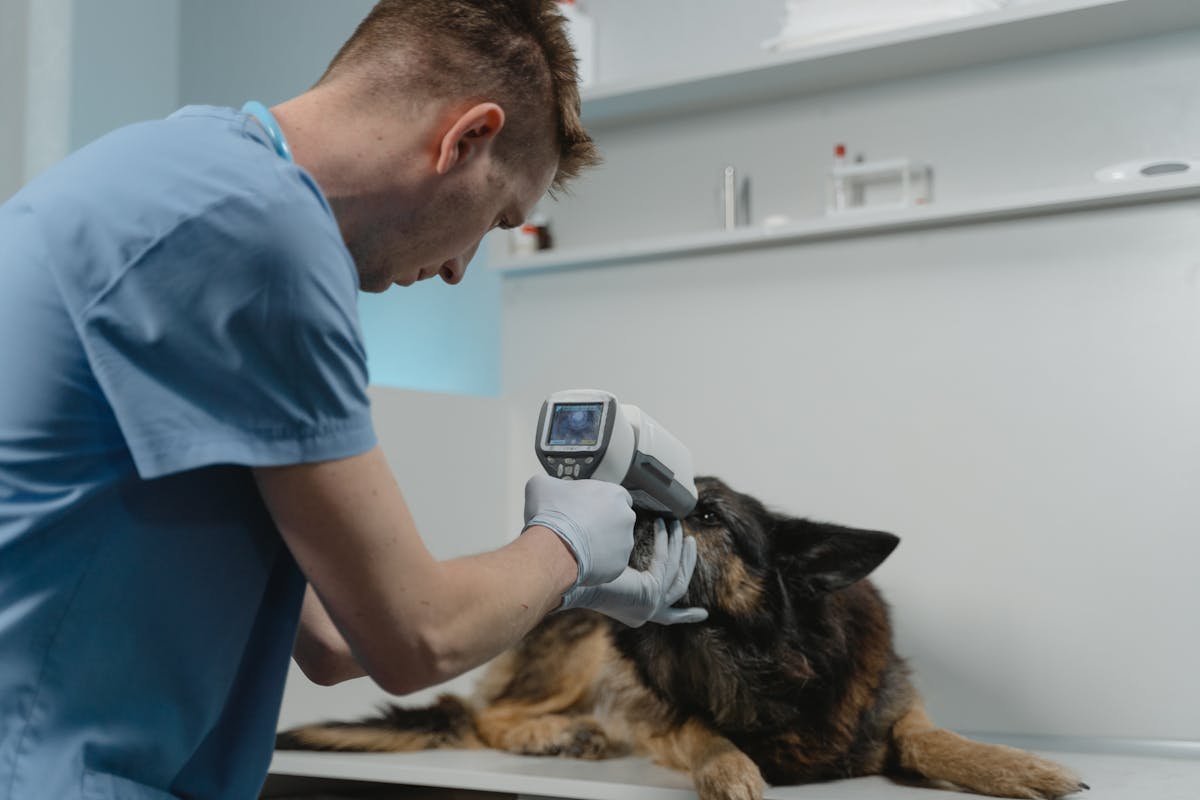
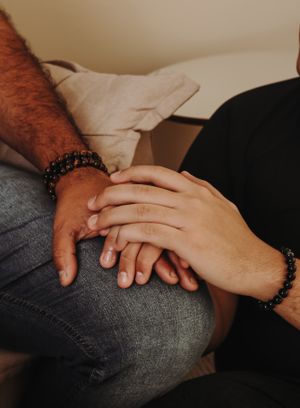
You may not have known this role existed until you needed it. A veterinary social worker sits at the intersection of animal medicine and human emotion, supporting the people who love animals through some of the hardest moments of pet ownership. If one was present during your pet's illness or passing, you experienced a relatively new and quietly profound development in animal care.
A Bridge Between Medicine and Grief
Veterinary social work is a recognized specialty that applies social work expertise within veterinary settings. These professionals are trained to help families cope with the emotional realities that medicine alone cannot address: anticipatory grief, end-of-life decisions, financial strain, and the heavy weight of loss.
Where They Work
Many veterinary social workers are based at university teaching hospitals and large specialty or emergency practices. Some general clinics now contract with them or share their services across a region. The field grew significantly after the University of Tennessee established formal training, and it continues to expand as the profession recognizes how much families need support.
What They Actually Do for Families
Their work is wide-ranging and adapts to whatever a family needs in the moment:
- Decision support — helping you think through a euthanasia decision without telling you what to choose.
- Presence in hard moments — sitting with families during difficult conversations and during the procedure itself.
- Grief follow-up — sometimes through follow-up calls, memorial resources, or referrals to counseling and support groups.
- Family-wide support — helping parents find age-appropriate language for children processing pet loss.
Something that may help
Tool: The Readiness Guide
If you are facing an end-of-life decision now, our free Readiness Guide walks through the same compassionate questions a social worker might help you consider.
→ Use the Readiness GuideFree to use, no signup required.
Supporting the Whole Family
They also assist with the practical fog of grief, explaining options for aftercare and gently making space for whatever emotions surface, whether that's a child's confusion or a partner's silence.
“The existence of this profession is, in itself, a kind of validation: your grief is real, and it is worthy of expert support.”
They Support the Clinical Team, Too
Their care extends beyond clients. Veterinary social workers help staff manage compassion fatigue and the cumulative grief of their work, offering debriefs and emotional support to the people performing euthanasia day after day. In this way, they tend to the entire ecosystem of care.
How to Access This Support
If your clinic does not have a social worker on staff, ask whether they can recommend a local pet-loss counselor or support group. Many veterinary social workers also point families toward pet loss hotlines, which are free and staffed by trained, compassionate volunteers.
What This Looks Like in Practice
Picture a family torn between two treatment paths for a dog with a serious illness, each option carrying a different mix of cost, risk, and time. A veterinary social worker might sit with them after the appointment, not to recommend a choice, but to help them articulate what matters most to their family and to their pet, so the decision feels like their own rather than something the situation forced on them. That same person might later help the children understand what's happening in language suited to their age, or simply sit quietly with a partner who can't yet find words. This is the quiet, practical shape their support usually takes.