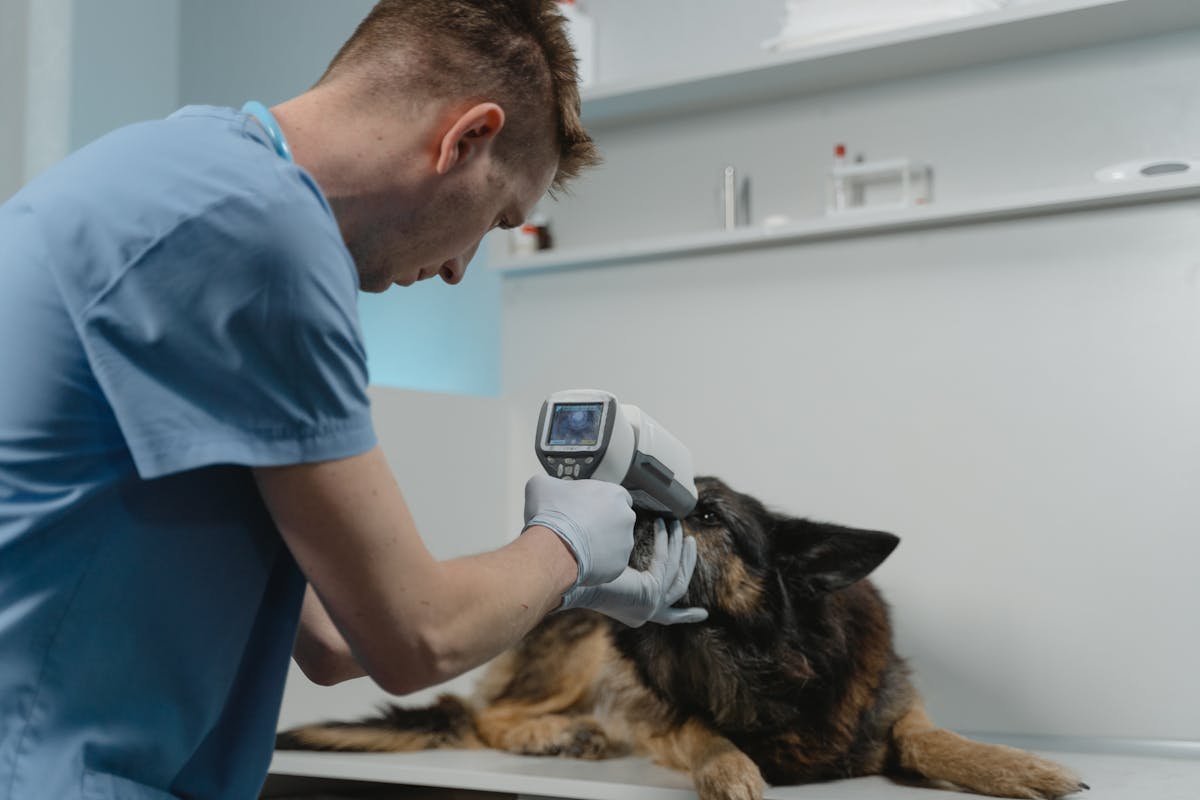
If you have ever wondered what your veterinarian carries home after helping your pet die, the answer is: a great deal. The hand that administered that final, peaceful injection has done it many times, and each one leaves a mark. Understanding how vets cope can deepen your gratitude and, if you are grieving, remind you that the person who guided you was carrying weight of their own.
The Emotional Toll Is Real
Veterinarians enter the field to heal animals, yet euthanasia is among their most frequent procedures. Studies consistently show that the veterinary profession faces elevated rates of compassion fatigue, burnout, and even suicide compared with the general population. The constant proximity to death, combined with absorbing the grief of devastated families, takes a profound toll.
Compassion Fatigue and Moral Stress
Vets often describe "compassion fatigue," an exhaustion that comes from caring deeply, again and again, with limited time to recover between losses. They may also wrestle with moral distress, especially around economic euthanasia, when a treatable animal is put down because a family cannot afford care. These are wounds the public rarely sees.
How Veterinary Teams Cope
Many clinics now build in rituals and supports so no one carries a hard day entirely alone:
- Moments of silence — some clinics pause briefly after a euthanasia before moving to the next appointment.
- Debriefs and peer check-ins — a quick "buddy" conversation after a difficult case.
- Veterinary social workers — a growing number of practices employ or partner with them to support staff, not just clients.
- Personal practices — therapy, exercise, time in nature, and firm boundaries between work and home.
Related reading
What a Veterinary Social Worker Does
Understanding the people who care for our animals can be part of healing. See our overview of this relatively new and quietly profound role in animal care.
→ Read the articlePart of our Vet & Professional series.
Finding Meaning in the Work
Many vets find genuine meaning in being able to offer a gentle, pain-free passing, framing euthanasia as a final act of care rather than a failure. The deliberate practice of remembering the good outcomes alongside the hard ones helps sustain that meaning over a career full of loss.
“The vet, the techs, and the family all shared that room for a reason: love for the animal in it.”
What This Means for You as a Pet Owner
If your vet seemed moved during your pet's passing, that emotion was real. A short thank-you note afterward can mean more to a veterinary team than you might imagine; they rarely hear that what they did mattered. And if you sensed unusual kindness in that room, know that it came from someone who chose to keep doing one of the hardest jobs in medicine.
Carrying It Together
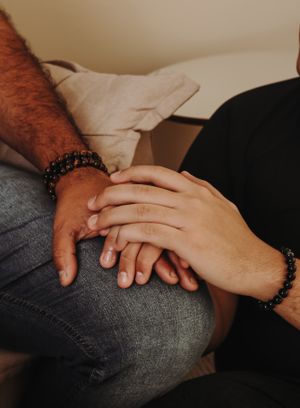
Grief over a pet is not yours alone to bear, and it was never theirs alone either. Recognizing that shared humanity can soften the loneliness of loss. When you are ready to memorialize your companion, a thoughtfully chosen keepsake can honor both the animal and the care they received.
A Profession Slowly Changing How It Trains for This
Veterinary schools have historically taught the science of euthanasia in great technical detail while offering almost nothing on its emotional weight. That is beginning to shift. A growing number of programs now include coursework on grief communication, compassion fatigue, and self-care as a core part of clinical training, not an optional extra. Some clinics have also introduced formal wellness policies, protected time after difficult cases, and easier access to mental health support for staff. It is slow, uneven progress across the profession, but it reflects a genuine recognition that caring for grieving families and carrying repeated loss cannot simply be absorbed in silence.